Transformative Regulatory Events Across Europe's Online Gambling Landscape
Geschrieben von Frankie Hartmann · 7.9.2026
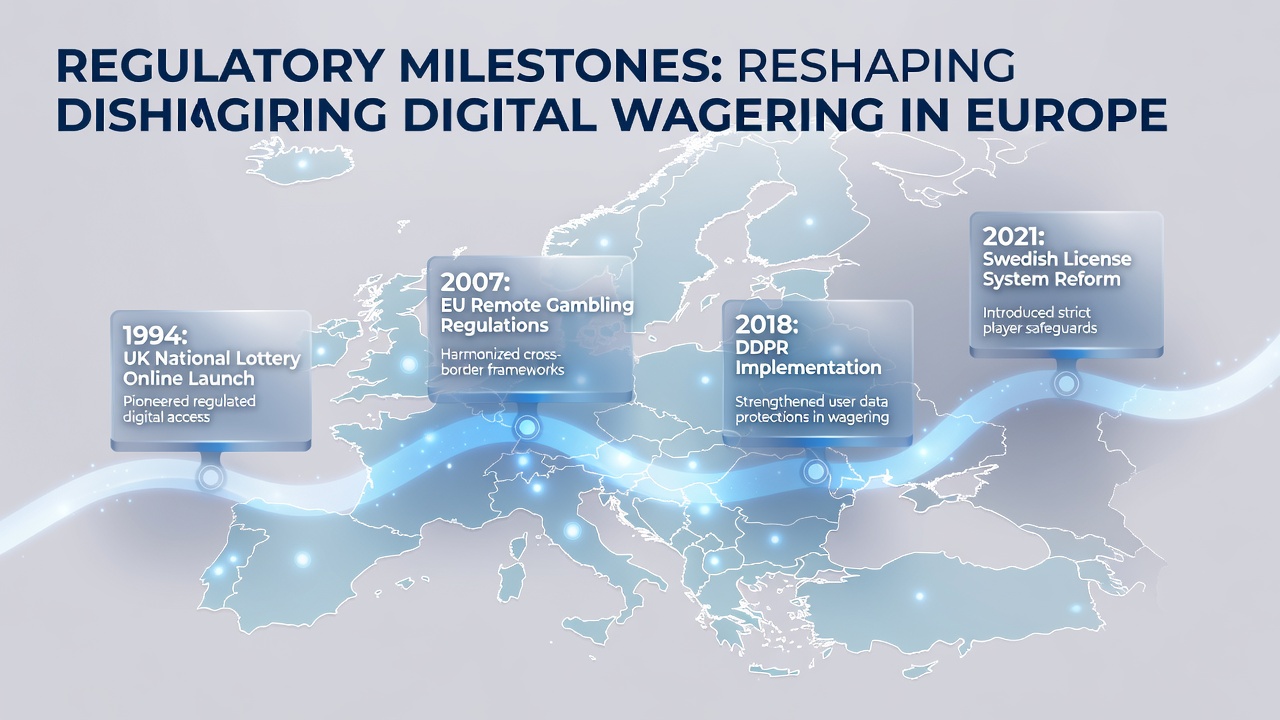
Transformative Regulatory Events Across Europe's Online Gambling Landscape
Regulatory developments in digital wagering across Europe trace back to the late 1990s when several member states began adapting national laws to address emerging internet-based betting platforms, and these early adjustments set the stage for more structured frameworks that balanced consumer protection with market access. Observers note that the European Union's broader e-commerce directives from 2000 influenced how countries approached cross-border gambling services, although member states retained significant control over licensing and taxation policies.
By the mid-2000s Malta emerged as a central hub after establishing its dedicated gaming authority in 2001, which issued the first comprehensive online licenses and attracted operators seeking EU-compliant jurisdictions, while data from that period shows rapid growth in licensed entities operating under Maltese rules. This approach influenced neighboring countries because operators could leverage single-market principles to offer services more widely, although enforcement varied significantly between states.
Early National Frameworks and Licensing Models
France introduced its online poker and sports betting regulations in 2010 through the ARJEL authority, creating a controlled market that required local licensing for operators and generated measurable tax revenues from the outset, whereas Italy followed a similar path with its ADM agency expanding oversight to include digital channels after initial restrictions. These national systems emphasized player verification and responsible gaming measures, and researchers documented how such requirements reduced unregulated activity in those markets over subsequent years.
Spain's 2011 online gambling law further diversified the landscape by permitting regional variations alongside national standards, which allowed for tailored approaches in taxation and advertising while maintaining core consumer safeguards, and figures from the Spanish regulator indicate steady increases in licensed operators following implementation.
Germany's Interstate Treaty and Market Restructuring
Germany's 2021 Interstate Treaty on Gambling marked a major consolidation of previously fragmented state-level rules into a unified federal framework that introduced centralized licensing for online casinos and sports betting, and this shift addressed long-standing inconsistencies that had allowed unregulated sites to proliferate. The treaty established strict deposit limits and advertising restrictions, while compliance data released by the new joint gambling authority showed gradual integration of existing operators into the regulated system.
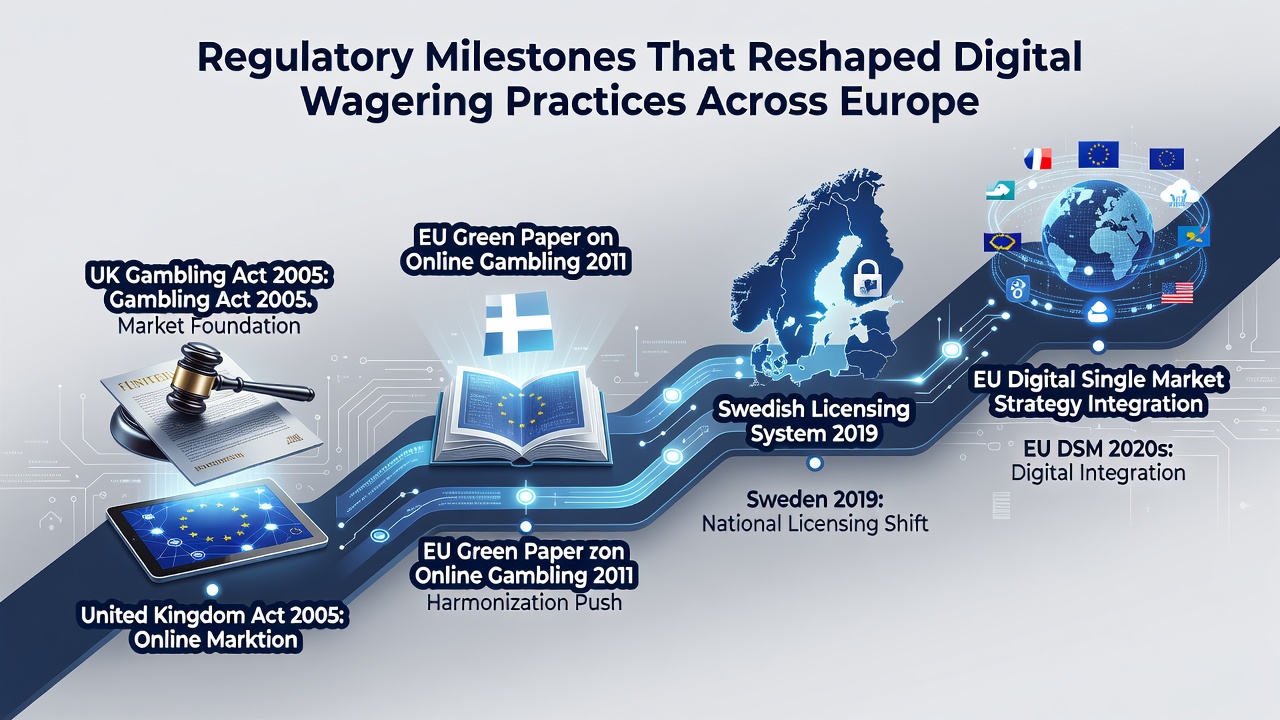
Implementation phases continued through 2023 and 2024 as additional technical standards for player protection tools were rolled out, and industry reports note that these measures aligned Germany more closely with practices already in place in Nordic countries. Sweden's re-regulated market from 2019 had already demonstrated similar licensing requirements through its Spelinspektionen agency, creating comparable standards for responsible play and taxation that influenced later German provisions.
Broader EU Coordination and Upcoming Milestones
European Commission communications from 2022 onward encouraged greater alignment on consumer protection standards across borders, although binding harmonization remained limited to specific areas such as anti-money laundering directives that apply uniformly to gambling operators, and these updates required enhanced due diligence procedures that took effect progressively through 2025. Experts tracking these changes point to improved data sharing mechanisms between national regulators as a direct result.
September 2026 represents a notable deadline when several updated technical standards for online verification systems are scheduled for full enforcement under revised EU-wide guidelines, and authorities in multiple member states have already begun preparatory audits to ensure operator readiness ahead of that date. This timeline builds on earlier work from organizations such as the European Gaming and Betting Association, which has published analyses on market trends and compliance challenges.
Additional research from academic sources, including studies conducted at institutions across Scandinavia, has examined the economic impacts of these regulatory shifts on both operators and public revenues, revealing patterns of stabilization in licensed markets after initial transition periods. Those analyses often compare outcomes in different jurisdictions to identify effective policy elements that could inform future adjustments.
Conclusion
Collectively these milestones illustrate how European nations have progressively refined their approaches to digital wagering through a combination of national initiatives and coordinated EU-level standards, and the period leading to September 2026 will likely bring further refinements as verification and protection requirements reach full application. Regulatory bodies continue to monitor market data to assess the effectiveness of existing measures while preparing for ongoing developments in technology and consumer behavior.